For more than three decades, eastern Democratic Republic of Congo (DR Congo) has remained one of Africa’s most complex security crises. As armed groups continue to operate in the region, questions are increasingly being raised over whether international sanctions imposed on their leaders have achieved the results they were designed to deliver.
Over the years, the United Nations, the United States and European countries have imposed sanctions on individuals linked to armed groups including the Democratic Forces for the Liberation of Rwanda (FDLR) and the AFC/M23 movement. The measures have included travel bans, asset freezes and diplomatic pressure.
But despite years of sanctions, violence and instability have continued. This has led analysts to question whether sanctions alone can resolve a conflict rooted in decades of political tensions, security concerns, governance challenges and regional rivalries.
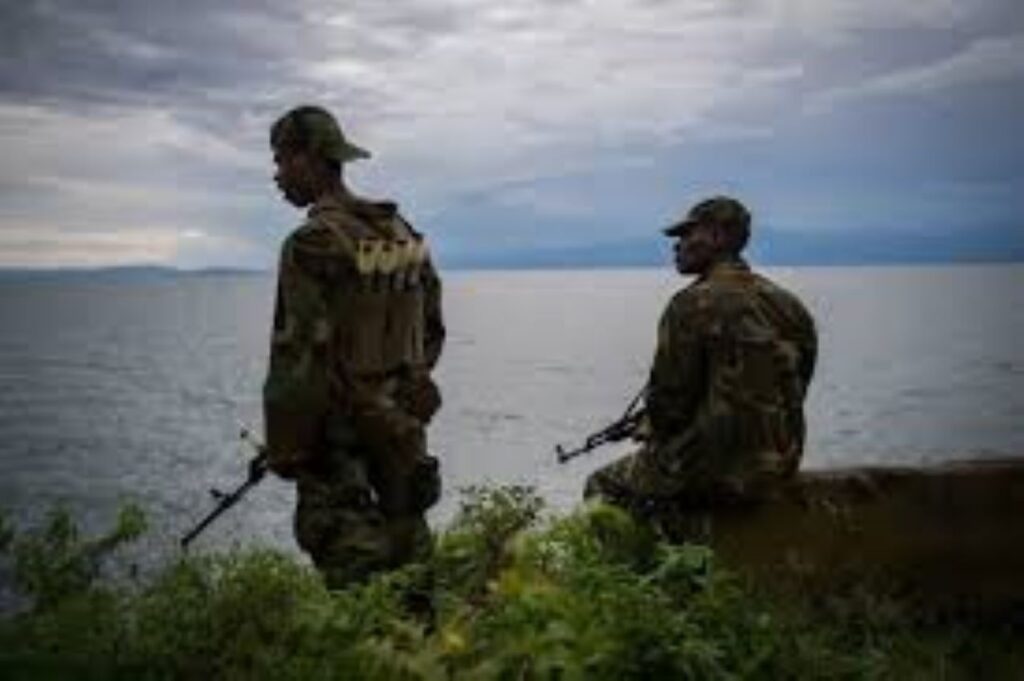
For the FDLR, some analysts argue that sanctions have had limited impact on the group’s ability to survive. The movement, which emerged after the 1994 genocide against the Tutsi in Rwanda, has spent decades operating in eastern DR Congo, with some fighters reported to have remained in remote forest areas, including around Virunga National Park.
Critics of the sanctions approach argue that many FDLR fighters have no known assets abroad, do not frequently travel internationally and have limited links to financial systems targeted by international restrictions. As a result, they question whether travel bans and asset freezes can significantly affect a group that has survived largely in isolated areas.
The situation is also debated in relation to AFC/M23. Despite sanctions targeting some of its leaders, the movement has continued to play a major role in the security situation in North and South Kivu provinces. This has strengthened arguments from some observers that sanctions alone cannot address a crisis that also has political and regional dimensions.
At the same time, international pressure has increasingly focused on Rwanda, with some governments and organisations accusing Kigali of supporting M23 — allegations Rwanda has repeatedly denied. Rwandan officials argue that the conflict cannot be understood without addressing the threat posed by the FDLR and wider security concerns along Rwanda’s border.
Rwanda’s Foreign Minister Olivier Nduhungirehe has repeatedly argued that sanctions are not enough to resolve the crisis and that a political solution is needed to address the root causes of instability in the region.
There are also ongoing debates about the role of major international powers, particularly the United States and European countries. Some analysts argue that Western countries have often appeared to favour the position of Kinshasa, suggesting that political and economic interests may influence their approach, especially given DR Congo’s vast reserves of minerals that are important for global technology and energy industries.
Supporters of Western involvement, however, say their objective is to defend DR Congo’s territorial integrity, fight armed groups and promote lasting peace in the region.
With sanctions producing limited visible changes, attention has increasingly shifted towards diplomatic efforts, particularly the peace talks taking place in Doha. Many observers see dialogue as a potential opportunity to address the underlying causes of the conflict rather than relying only on punitive measures.
However, questions remain over the role of the mediator, especially the United States, with some observers questioning whether all parties view Washington as a neutral and trusted broker capable of ensuring that agreements reached at the negotiating table are implemented.
After more than 30 years of conflict, the experience of eastern DR Congo suggests that sanctions may create diplomatic pressure, but they have not yet delivered a lasting solution. The biggest opportunity may now lie in political negotiations in Doha, although their success will depend on the willingness of all parties to compromise and address the deep-rooted issues that have kept the region unstable for decades.
Mwizerwa Ally
Rwandatribune.rw