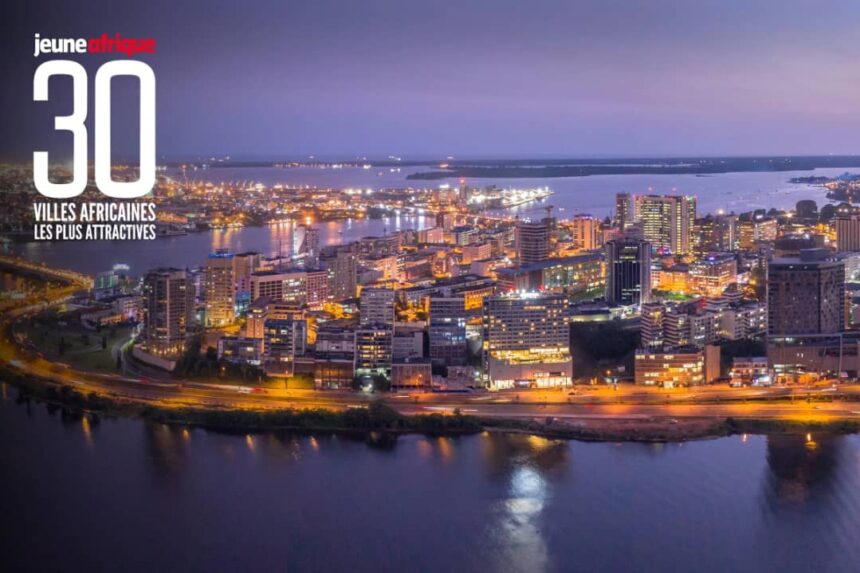
A new assessment of African cities has highlighted Kigali (Rwanda), Rabat (Morocco), and Tunis (Tunisia) among urban centres where residents have relatively better opportunities to access housing compared with many other cities across the continent.
The analysis, which examined several major African cities, looked at factors such as housing affordability, rental prices, citizens’ purchasing power, access to housing finance, urban planning, and the quality of infrastructure.
Rabat was recognised for its structured urban development and housing policies aimed at improving access to accommodation. Tunis also performed well, benefiting from a housing market that remains relatively more accessible compared with several other large African cities.
In Kigali, the city’s organised urban planning, cleanliness, security, and continued infrastructure development have contributed to its growing reputation as one of Africa’s most attractive cities for residents and investors.
However, the assessment noted that rising land prices, construction costs, and rapid population growth are putting increasing pressure on housing affordability.
Across the continent, many fast-growing cities continue to face serious housing challenges. Cities such as Lagos, Kinshasa, Douala, and Abidjan are experiencing growing demand for accommodation, while high property prices and limited affordable housing options make it difficult for many residents to secure decent homes.
The assessment warned that Africa’s rapid urbanisation requires stronger investment in affordable housing, improved access to mortgage financing, and better urban planning to meet the needs of a growing population.
While cities such as Kigali, Rabat, and Tunis are making progress, experts say governments across Africa still face a major challenge in ensuring that more citizens can access safe, affordable, and decent housing.
Rwandatribune.rw