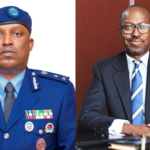
KIGALI — Mali is facing continued attacks by armed groups, raising questions over whether military cooperation between Mali and Rwanda could expand to include a possible role for Rwanda Defence Force (RDF) in helping Bamako tackle its security challenges.
The issue comes after Rwanda’s Defence Minister, Juvénal Marizamunda, received Mali’s ambassador to Rwanda, Brig. Gen. Boubacar Diallo, at the Ministry of Defence.
The meeting does not in itself indicate that Mali has asked Rwanda to deploy troops. But its timing, against the backdrop of Mali’s deteriorating security situation and existing military ties between the two countries, has prompted questions about whether their cooperation could enter a new phase.
Mali battles armed groups
Mali has been battling armed groups across the Sahel for more than a decade, particularly Jama’at Nusrat al-Islam wal Muslimin (JNIM), an Al-Qaeda-linked organisation.
Attacks by JNIM and other armed groups continue to put pressure on Mali’s security forces, despite efforts by the government to strengthen its military capabilities and establish new security partnerships.
The conflict has also reshaped Mali’s relations with Western countries that previously played a major role in its security efforts.
France withdrew, but the security crisis remains
France played a major role in counter-insurgency operations in the Sahel, but relations between Paris and Bamako deteriorated following political upheaval in Mali.
French troops withdrew from Mali in 2022.
The French intervention did not permanently resolve the country’s security crisis, while political tensions between the two governments contributed to the end of France’s military presence.
The United States has also provided intelligence and surveillance support in the region, but it has not maintained a large combat deployment in Mali comparable to France’s former military presence.
Russia expands its role
Following France’s withdrawal, Mali moved closer to Russia, particularly through the deployment of Russian personnel under the Africa Corps, which has worked alongside Malian forces in operations against armed groups.
But the security crisis has persisted, with militant attacks continuing to pose a major challenge to the Malian authorities.
That has fuelled debate over whether Bamako may seek additional forms of military cooperation.
Could Rwanda offer a more substantial role?
It is in this context that the possible role of RDF comes into focus.
Rwanda has experience deploying troops to other African countries at the request of their governments. The most prominent example is Mozambique, where Rwanda deployed forces in 2021 to support the government in its fight against an insurgency in Cabo Delgado.
If Mali were to request similar assistance, Rwanda’s contribution could go beyond military training and potentially involve operational support, depending on the terms and mandate agreed by the two governments.
Rwanda could also provide training, operational planning, intelligence analysis and support for specialised military units.
Would Mali be ready to receive RDF?
That would be both a political and security question.
Mali is part of the Alliance of Sahel States (AES) alongside Burkina Faso and Niger. The three countries have sought to reduce their reliance on some Western partners while strengthening alternative security partnerships.
Bringing Rwanda into Mali’s security architecture would therefore add another military partner at a time when Bamako already maintains close defence ties with Moscow.
For Rwanda, deploying troops to Mali would also be a major decision. Mali is geographically vast, while armed groups operate across large and difficult-to-control areas.
No deployment has been announced
There is no official announcement that Mali has asked Rwanda to deploy RDF troops or that Kigali has decided to send forces to Mali.
For now, the two countries’ existing military cooperation remains the clearest indication of their secure.
Mwizerwa Ally
Rwandatribune.rw