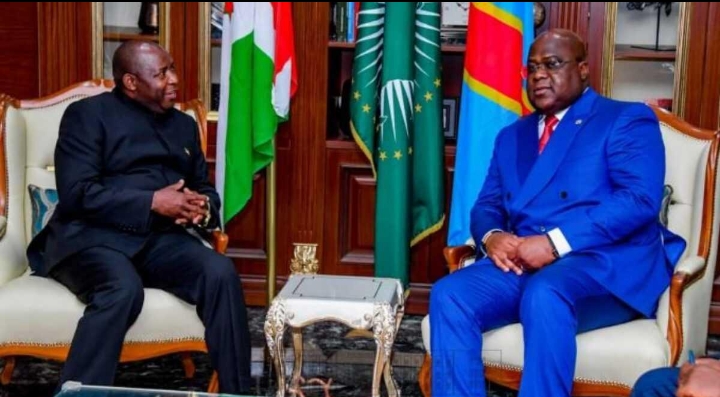
Kinshasa — August 20, 2026. Burundi’s President, Évariste Ndayishimiye, has once again arrived in Kinshasa, where he is expected to hold talks with Democratic Republic of Congo (DRC) President Félix Tshisekedi.
Burundi’s presidency described the visit as a working trip. However, his arrival comes only two months after another visit to the DRC in June, raising questions about what the two leaders are expected to discuss.
During their June meeting, the two presidents discussed security in eastern DRC, particularly in South Kivu. Burundi and the DRC have also continued their military cooperation in efforts to confront armed groups opposed to Kinshasa.
Gen. Niyongabo Was Also in Kinshasa
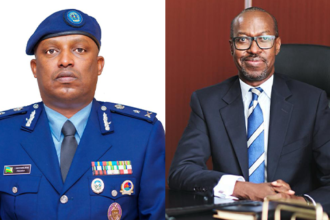
Adding to the interest surrounding Ndayishimiye’s visit is the recent trip to Kinshasa by Burundi’s Army Chief of Staff, General Prime Niyongabo.
His visit came as regional reports continued to highlight growing military cooperation between Burundi and the DRC in South Kivu.
This has raised questions over whether Ndayishimiye’s latest visit could also be aimed at assessing the situation on the ground and discussing how military cooperation between the two countries could be strengthened.
Diplomacy or Preparation for War?
There is no official statement confirming that Ndayishimiye travelled to Kinshasa to prepare for a new military offensive.
However, military cooperation between Kinshasa and Gitega has grown stronger, with reports in June pointing to joint operations by the two countries’ forces in the Minembwe highlands.
There have also been reports that Kinshasa wants Burundi to maintain its involvement in efforts against AFC/M23 and its allies. However, such reports should be distinguished from officially confirmed decisions.
The Bigger Question
Ndayishimiye occupies a unique position. He is a security partner of Tshisekedi, but he is also the President of the African Union, a position that requires him to support peace and promote the resolution of conflicts through dialogue.
This makes Burundi’s role in the DRC conflict increasingly subject to scrutiny.
The key question, therefore, is:
Is Ndayishimiye continuing to travel to Kinshasa as a mediator seeking peace, or as a partner of Tshisekedi helping Kinshasa in its efforts to regain territory held by armed groups?
The answer may become clearer from what the two presidents announce after their talks.
Rwandatribune.rw