Owners and managers of alcohol factories shut down in Rwanda’s nationwide crackdown on substandard drinks face prosecution as authorities investigate the production and distribution of beverages suspected of posing serious health risks.
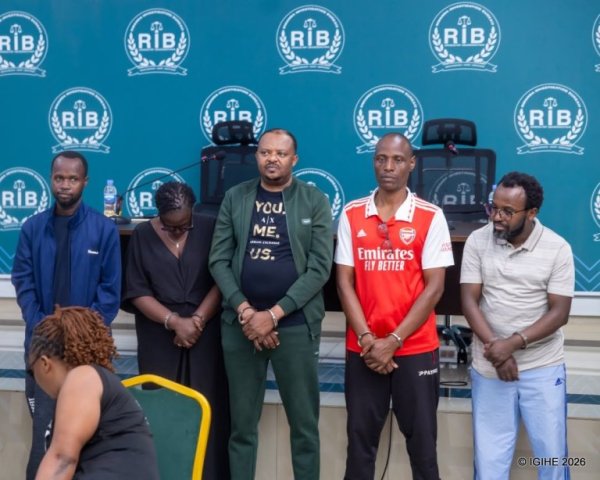
The Rwanda Investigation Bureau (RIB) and Rwanda National Police said Saturday that 16 suspects had been arrested in Kigali, including Ntihanabayo Samuel, also known as Kazungu, the owner and manager of Ingufu Gin.
More than 80 people have been arrested nationwide in connection with the production of alcoholic beverages that authorities say failed to meet required safety standards.
The arrests follow a campaign by the Rwanda Food and Drugs Authority (Rwanda FDA), which has shut down or suspended more than 140 alcohol manufacturing facilities and removed a number of products from the market.
RIB said suspects facing different charges related to the production and distribution of substandard alcoholic beverages could receive prison sentences ranging from two to 25 years, depending on the offences of which they are convicted.
However, the maximum sentence does not automatically apply to every owner whose factory has been closed. The sentence will depend on the specific offence, the evidence presented and the court’s ruling.
Under Rwanda’s general law governing offences and penalties, Article 132 bis provides penalties for anyone who manufactures, sells, distributes or imports food, beverages or other products that fail to meet safety standards or are liable to endanger human health.
A person convicted under that provision can face three to five years in prison and a fine of between one million and three million Rwandan francs, or either of those penalties.
The provision therefore differs from the maximum 25-year sentence cited by RIB. That higher penalty may relate to other offences or aggravating circumstances, depending on the conduct alleged against an individual.
The crackdown comes amid concerns over the health impact of unsafe alcoholic drinks.
Authorities have said some manufacturers used improperly processed ethanol in their products. Some drinks were also found to contain alcohol levels substantially higher than those indicated on their labels.
Rwandatribune.rw