Rwanda and Belgium have agreed to restore diplomatic relations, ending an 18-month period during which the two countries did not maintain normal diplomatic ties.
The decision was announced on Tuesday, September 22, 2026, as officials from both countries were in New York, United States, attending the 81st United Nations General Assembly.
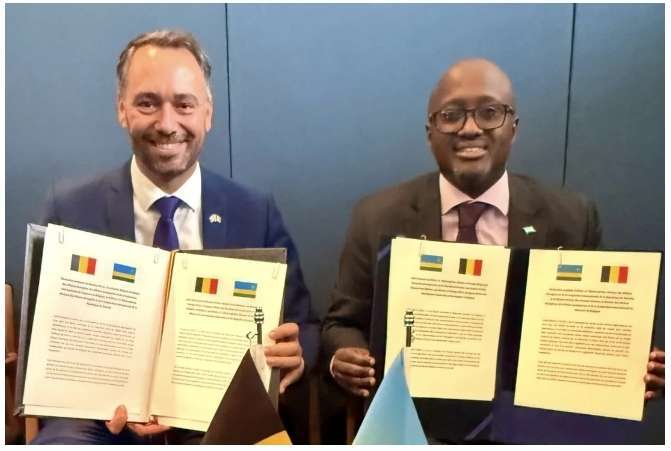
The agreement to restore diplomatic relations was signed by Rwanda’s Minister of Foreign Affairs and International Cooperation, Olivier Nduhungirehe, and Belgium’s Minister of Foreign Affairs, Maxime Prévot.
In a joint statement, the two countries said they had agreed to resume diplomatic relations and reopen their respective embassies in the near future.
Although the two embassies are expected to reopen, they will not initially be headed by ambassadors.
At the first stage, each embassy will be led by a chargé d’affaires ad interim, supported by a diplomat or consular affairs official and a small team of staff.
The two countries will later begin the formal process of seeking approval for their respective diplomatic representatives to be accredited as ambassadors, through the established diplomatic procedure known as agrément.
Rwanda will also appoint an ambassador based in Brussels who will represent the country to the European Union.
Relations Deteriorated Over the DRC Conflict
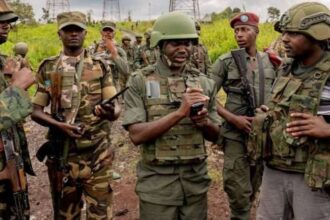
Rwanda severed diplomatic relations with Belgium on March 17, 2025, following a major deterioration in relations between the two countries over security and fighting in the eastern Democratic Republic of Congo (DRC).
At the time, Kigali accused Belgium of taking sides in the DRC crisis and of advocating positions against Rwanda that did not reflect the understanding between the two countries.
Belgium rejected Rwanda’s decision to cut diplomatic ties and subsequently took measures that included expelling Rwandan diplomats and suspending some government-to-government cooperation projects between the two countries.
The dispute was also linked to differences over how Belgium and other European partners viewed the conflict in eastern DRC and the activities of the AFC/M23 movement.
Western countries, including Belgium, have repeatedly accused Rwanda of supporting AFC/M23, allegations that Kigali has consistently denied.
Rwanda has maintained that the security crisis in eastern DRC is linked to threats along its borders and the presence of the FDLR, which Kigali considers a security threat.
According to the joint statement, the decision to restore diplomatic relations followed a series of meetings and discussions, including informal talks between Minister Nduhungirehe and Maxime Prévot over recent months.
During these discussions, the two sides addressed the issues that had caused tensions and agreed to continue working to resolve their differences through dialogue.
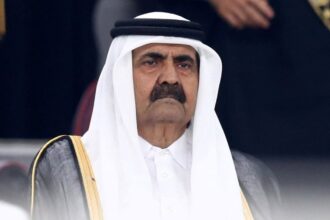
Rwanda and Belgium also acknowledged Qatar’s role in helping bring the two sides back together. Qatar facilitated the first meeting between Nduhungirehe and Prévot in Doha in June 2025, just three months after diplomatic relations were severed.
Since then, discussions between officials from the two countries have continued, eventually leading to an agreement to restore diplomatic ties.
Restoring Relations Does Not Mean All Disputes Have Been Resolved
Although the embassies are set to reopen, Rwanda and Belgium have not indicated that they have reached agreement on every issue that previously caused tensions between them.
Instead, the two countries have committed to maintaining open, frank and transparent dialogue, particularly on issues where their positions remain different.
Belgian Foreign Minister Maxime Prévot said the restoration of diplomatic relations does not mean Belgium has changed its existing positions on the issues that had previously been a source of disagreement, particularly those concerning the sovereignty and territorial integrity of the DRC.
He said that restoring diplomatic relations would instead give both sides the normal diplomatic channels through which they can address their differences, even where disagreements remain.
For Rwanda, Minister Nduhungirehe said the restoration of relations could provide a foundation for a new phase of constructive dialogue based on mutual respect.
A New Relationship Built on Dialogue
Among the principles agreed upon by the two countries are continued efforts to build relations based on mutual respect, non-interference in each other’s internal affairs and resolving differences through dialogue.
The agreement means Kigali and Brussels will once again have normal diplomatic channels for addressing bilateral and regional issues, even as the two countries continue to hold different positions on developments in the Great Lakes region, particularly the conflict in eastern DRC.
The restoration of relations could also have implications for Rwanda’s relationship with the European Union, given Belgium’s membership in the bloc and its involvement in European discussions and initiatives concerning security in eastern DRC.
No specific date has yet been announced for the reopening of the two embassies.
However, the joint statement said they would resume operations in the near future.
The September 22, 2026 agreement therefore marks the restoration of diplomatic relations between Rwanda and Belgium after 18 months of strained ties. However, discussions over the issues that caused the diplomatic dispute are expected to continue through the renewed diplomatic channels.
Rwandatribune.rw
Know More about AI Tools On AI Global Class