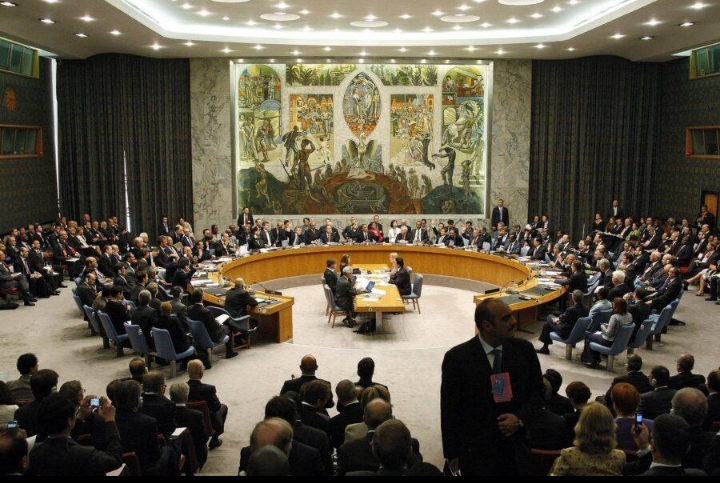
The United Nations Security Council has adopted a resolution extending sanctions linked to insecurity in eastern Democratic Republic of the Congo until 1 July 2027.
The decision is contained in Resolution 2825 (2026), which was unanimously adopted by all 15 members of the Council. The same resolution also extends the mandate of the UN Group of Experts tasked with monitoring the implementation of sanctions until 1 August 2027.
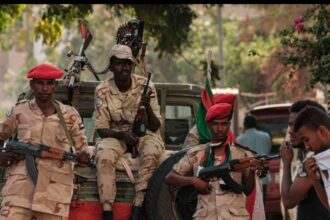
The sanctions include an arms embargo targeting armed groups operating in the DRC, travel bans on individuals listed under the sanctions regime, and the freezing of their assets as well as those of entities associated with them.
The Group of Experts has been requested to submit an interim report by 30 December 2026, and a final report no later than 15 June 2027, assessing the implementation of the sanctions and their impact on regional security.
What analysts say?
Diplomatic analysts argue that the extension of sanctions reflects the Security Council’s continued concern over instability in eastern DRC, despite ongoing peace negotiations.
They also note that extending the mandate of the UN Group of Experts will help ensure continued monitoring, documentation, and verification of sanctions compliance, particularly regarding actors accused of involvement in armed conflict.
Some analysts believe the move could increase pressure on armed groups and their alleged supporters, including actors linked to the Alliance Fleuve Congo / M23, while others argue that sanctions alone are insufficient to end the long-running conflict.
Observers in the Great Lakes region say the decision comes at a time when diplomatic efforts, including talks in Washington and Doha, are ongoing to seek a lasting peace agreement. If these initiatives succeed, pressure through sanctions could ease in the future. However, if fighting continues or agreements are not implemented, the UN may maintain or even strengthen the sanctions regime.
As insecurity persists in North Kivu and South Kivu provinces, the UN continues to call on all parties to cease hostilities and prioritize dialogue as the only sustainable path to peace.
Rwandatribune.rw