Political developments in the Democratic Republic of the Congo (DRC) continue to revolve around the Inclusive National Dialogue initiative launched by President Félix Tshisekedi following his meeting on Friday, July 17, with leaders of religious denominations led by Cardinal Fridolin Ambongo.
On Saturday, July 18, the National Episcopal Conference of Congo (CENCO) and the Church of Christ in Congo (ECC) began a series of consultations with political parties and other key stakeholders regarding the proposed national dialogue.
During the first round of discussions, the religious leaders met with representatives of the opposition coalition C64.
The meeting also addressed the planned nationwide protests scheduled for July 22, which are intended to demand President Félix Tshisekedi’s resignation.
C64 leaders said a decision on whether to postpone or cancel the demonstrations could be announced on Monday, July 20, after a meeting of opposition party leaders.
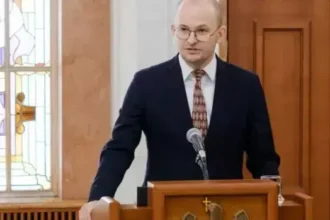
ECC spokesperson Pastor Eric Senga described the discussions as constructive, noting that the opposition sought clarification on how the Inclusive National Dialogue would be organized and what it would entail.
“They asked practical questions, particularly about how the dialogue will ensure inclusivity and what its implications could be for the future of the Constitution,” Pastor Senga said.
The C64 coalition was formed by opposition groups to oppose and prevent the government’s proposed constitutional reform.
Pastor Eric Senga said the mediators’ mission is to help Congolese citizens reconcile and bring together all segments of society through a peaceful, inclusive, and respectful dialogue, allowing national issues affecting the common interest to be discussed collectively.
The mediators also announced that they will continue consulting other political groups and civil society organizations before the official national dialogue begins.
Rwandatribune.rw