WASHINGTON/TEL AVIV — As President Donald Trump’s administration seeks to implement a new agreement with Iran aimed at easing tensions in the Middle East, Lebanon has emerged as a major flashpoint that could undermine the deal before it takes effect.
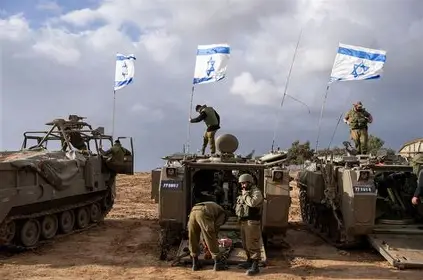
A key provision in the agreement calls for respect for Lebanon’s sovereignty and territorial integrity. Iran has argued that this language requires Israel to withdraw all of its forces from southern Lebanon, where Israeli troops have maintained positions following months of conflict with Hezbollah.
Israeli leaders, however, have firmly rejected that interpretation. Defense Minister Israel Katz said Israel would not abandon positions it considers vital to its national security, while Prime Minister Benjamin Netanyahu emphasized that the agreement was negotiated by Washington and Tehran, not by Israel.
The disagreement comes as Israeli forces continue to conduct strikes against Hezbollah targets in Lebanon, raising questions about whether the agreement can realistically lead to a lasting reduction in regional tensions.
For Iran, the inclusion of Lebanese sovereignty in the agreement is being presented as a diplomatic victory. Tehran has long demanded an Israeli withdrawal from Lebanese territory, arguing that such a move is necessary for long-term stability in the region.
Analysts warn that the dispute could create friction between Washington and Tel Aviv. While the United States and Israel remain close allies, Trump’s administration may face difficulties if it pushes for provisions that Israeli leaders view as incompatible with their security priorities.
There are also concerns that Hezbollah could benefit from any Israeli withdrawal. Although the group has suffered significant setbacks in recent years, it remains a powerful force in southern Lebanon and continues to play a major role in the region’s security dynamics.
So far, there is little indication that Israel is prepared to leave southern Lebanon, and it remains unclear whether Washington has either the will or the leverage to compel such a move in the near term.
The central question now is whether Trump can persuade—or pressure—Israel to withdraw, or whether Israel’s resistance will leave the U.S.-Iran agreement little more than a document on paper.
The answer could determine whether the latest diplomatic effort brings a measure of stability to the Middle East or becomes another failed attempt to end one of the region’s most enduring conflicts.
Mwizerwa Ally
Rwandatribune.rw