After months of diplomatic efforts led by different international actors to restore peace in eastern Democratic Republic of the Congo (DRC), questions remain over whether the conflict that has lasted for more than three decades is finally approaching its conclusion.
Since early 2025, significant peace initiatives have taken place, including talks in Washington between Rwanda and the DRC, as well as negotiations in Doha, Qatar, involving the Congolese government and the M23 rebel movement.
Although both processes have been presented as major steps toward peace, fighting continues to be reported in parts of North Kivu and South Kivu provinces.
Political and security analysts say the current negotiations have inspired more optimism than previous initiatives. However, they stress that lasting peace cannot be achieved solely through the signing of agreements.
According to them, the conflict in the DRC is rooted in complex and longstanding issues, including border security, the presence of armed groups, the refugee crisis, weak state institutions, and competition over the country’s vast natural resources.
Some analysts believe the Washington agreement has opened a new chapter in relations between Rwanda and the DRC. Nevertheless, they question whether both governments will fully implement their commitments.
Meanwhile, the Doha talks continue to face challenges, particularly disagreements between the M23 movement and the government in Kinshasa over key issues.
Is the United States Pursuing Peace or Protecting Its Interests?
One of the major questions surrounding the peace process concerns the role of the United States.
Washington’s mediation efforts, combined with its interest in expanding investment in the DRC’s mining sector, have led some observers to question whether economic interests are influencing its diplomatic engagement.
Some analysts argue that peace is essential for investment, suggesting that the United States may be seeking both to end the conflict and safeguard its strategic interests in one of Africa’s most mineral-rich regions.
Others maintain that many foreign powers have interests in the DRC, and that the priority should be ensuring those interests do not undermine peace or the country’s sovereignty.
Is Peace Finally Within Reach?
Most analysts agree that the prospects for ending the conflict are stronger today than they have been in recent years.
However, they caution that sustainable peace will remain elusive unless the issues of armed groups, mutual distrust among the parties, and the implementation of signed agreements are effectively addressed.
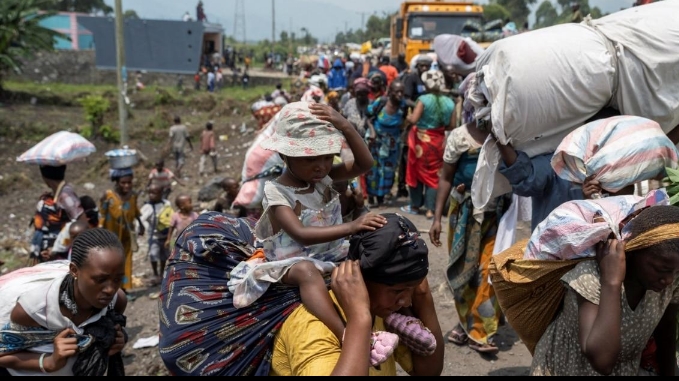
They also emphasize that any peace deal will only be considered successful if civilians in eastern DRC regain security, displaced people and refugees can return home voluntarily, and hostilities come to a complete end.
While the Washington and Doha negotiations have created renewed hope, experts agree that the journey toward lasting peace is still far from over.
The conflict in eastern DRC can eventually come to an end, they say, but only if all parties demonstrate genuine political will, honor their commitments, and address the deep-rooted causes of instability that have fueled violence in the region for decades.
For now, one question continues to dominate discussions among both regional observers and the international community: Will these agreements mark the beginning of lasting peace, or will they become another set of promises that fail to be fully implemented?
Rwandatribune.rw